
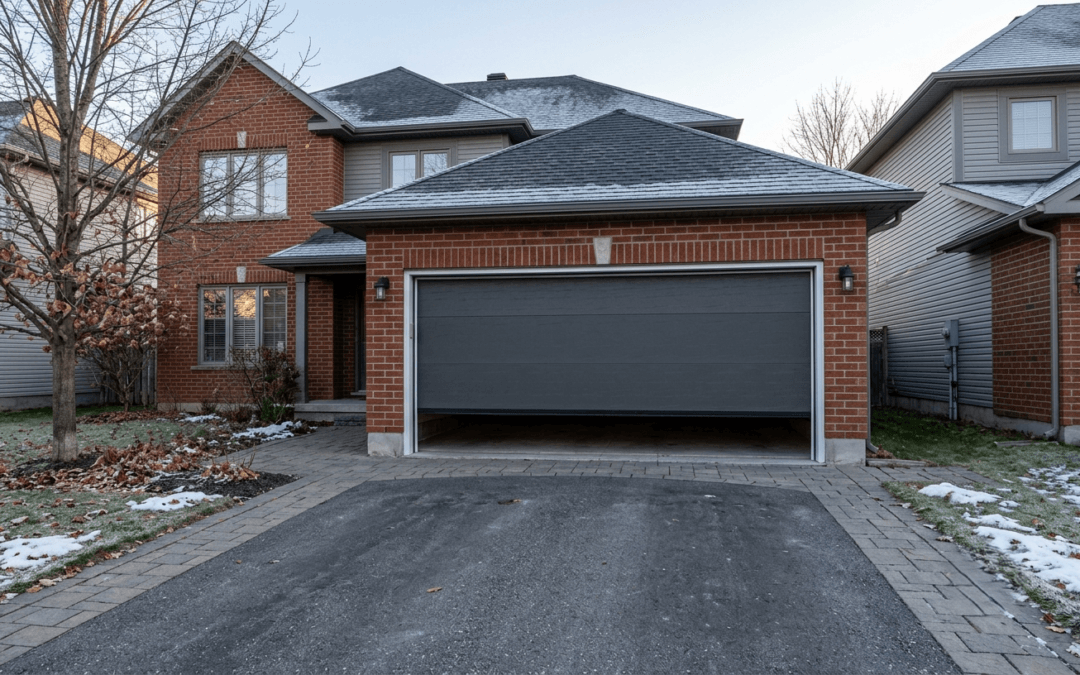
When Ottawa homeowners think about winterizing the garage, they often jump straight to insulation or a new opener. But the humblest upgrade on the list, replacing worn weatherstripping and seals, is usually the cheapest fix with the biggest payoff. A proper garage door seal install keeps drafts, snow, and road salt out, stops your door from freezing to the ground, and quietly trims your heating bill all winter long.
Seals are also the part of your door that wears out fastest, because they take the most abuse. This guide covers every seal on your garage door, how to tell when each one needs replacing, and how to get your door truly winter-ready. As a garage door company ottawa homeowners have relied on for decades, we see the difference good seals make every single January.
Why Garage Door Seals Matter So Much in Ottawa
Your garage door is the largest opening in your home, and the seals around it are the only thing standing between our winter and your garage. When they fail, the effects add up fast. Cold air pours in through the gaps, which is a problem on its own and a much bigger one if your garage shares walls with heated living space. Even a well-built model from our insulated garage doors range loses most of its advantage when air leaks freely around the perimeter.
Worn seals cause more than drafts. They let in wind-driven snow, moisture, and pests, and they are the main reason a door freezes to the ground overnight. Because seal condition changes with the seasons, keeping on top of it is core to year-round upkeep, and our garage door maintenance ottawa guide builds seal checks into its seasonal checklist.
The Types of Garage Door Seals
Most people picture a single rubber strip at the bottom of the door, but a garage door actually relies on several distinct seals working together. Knowing each one helps you pinpoint exactly where cold is getting in.
Bottom Seal (Astragal)
The bottom seal, or astragal, is the long flexible strip along the base of the door that compresses against the floor when closed. It takes the most punishment of any seal, contacting the ground on every cycle and absorbing the brunt of road salt, ice, and grit. It is also the seal most likely to let in drafts, water, and pests once it cracks, hardens, or tears.
Side and Top Seals
Side and top seals, sometimes called jamb or stop weatherstripping, run along the door frame and press against the face of the door when it closes. They block wind and snow from driving in around the edges. If you can see daylight anywhere around a closed door, these are usually the culprits.
Threshold Seal
A threshold seal is a rubber strip bonded to the garage floor itself rather than to the door. Closing the door against a raised threshold creates a tight barrier at the base, which is especially valuable on sloped or uneven floors and for keeping wind-driven snow and meltwater from creeping underneath.
Between-Section Seals
Sectional doors also carry seals between the horizontal panels. These are easy to overlook, but as they age they can let cold air pass straight through the face of a closed door. A thorough inspection during residential garage door service checks all of these, not just the obvious strip at the bottom.
Signs Your Seals Need Replacing
Seals rarely fail all at once. They degrade gradually, so it pays to know the warning signs before winter exposes them. Watch for daylight visible around the edges of a closed door, drafts you can feel with your hand, and rubber that has hardened, cracked, or pulled away from the frame. A bottom seal that no longer makes even contact along the entire floor is a clear signal, as is a door that keeps freezing to the ground or a sudden jump in your heating bill.
Pests finding their way in, or water pooling just inside the door after a thaw, point to the same underlying problem. If you spot any of these, addressing them early is far cheaper than waiting, and our garage door repair team can match and replace any worn seal quickly.
Choosing Cold-Rated Seal Materials
Not every replacement seal is built for our winters. The material and profile you choose determine whether a seal stays flexible at -30°C or turns brittle and useless in the first cold snap.
Look for seals rated specifically for cold temperatures. Quality vinyl and EPDM rubber stay pliable in deep cold, while cheaper materials stiffen and lose their grip exactly when you need them most. Profile matters just as much. Bottom seals come in several shapes, including T-style, bulb, and bead designs, and the right one depends on your door’s retainer and the size of the gap you need to close. Getting the profile wrong is the single most common reason a brand-new seal still leaks. Reviewing the garage door materials and specifications for your door model helps you source a seal that fits precisely the first time.
The Seal Replacement Process
Some seals are genuinely DIY-friendly. A bottom seal usually slides into a track along the base of the door, and side seals are often nailed or screwed to the frame, so a confident homeowner can handle a straightforward swap. The keys are measuring accurately, matching the exact profile, and choosing cold-rated material.
That said, a professional garage door seal install guarantees the fit is right and the door still balances and closes evenly afterward, which matters most on threshold seals and any door where the fix is not obvious. Our garage door technicians handle every seal type across the region, and you can confirm coverage for your community on our areas of service page. The ideal time to do this work is October or early November, before the ground freezes and drafts become costly. Our guide on how to prepare garage door ottawa winter shows where sealing fits into a complete pre-winter routine.
When a New Door Makes More Sense
Fresh seals can transform an otherwise sound door, but they can only do so much. If your door is old, dented, or poorly insulated, resealing is a patch rather than a cure. In that case, a modern garage door installation with factory-fitted weatherstripping and a proper thermal package delivers far better winter performance than any retrofit can.
If you are weighing that option, our garage door collection and garage door customization tool let you compare styles, insulation levels, and finishes, and browsing our gallery shows how a new, tightly sealed door looks on local homes.
Commercial and New-Construction Sealing
Seals are just as critical on commercial and industrial doors, where large openings, loading docks, and constant use make air infiltration a real operating cost. Our commercial garage doors are specified with weatherstripping suited to heavy-duty settings. For builders and property managers outfitting new construction, our garage door professionals handle sealing as part of a complete, code-ready install, and our full range of garage door services covers everything from that first fit to ongoing seasonal upkeep.
What Seal Replacement Costs
Weatherstripping is one of the most affordable improvements you can make, which is exactly what makes it such a smart pre-winter investment. Exact pricing depends on your door’s size and the seals required, including the side, top, and bottom sections. Our overview of garage door repair costs shows where seal replacement sits among common repairs, so you can budget with confidence.
The Bottom Line
Replacing worn weatherstripping is the cheapest, highest-impact way to make your garage door winter-ready in Ottawa. Match the right cold-rated seals to each part of your door, install them before the freeze sets in, and you will feel the difference in comfort and heating costs all season.
Ready to seal out winter? Contact Amigo Door at 1-613-821-2898 or visit our contact page to book a seal inspection or replacement.
Recent Comments