
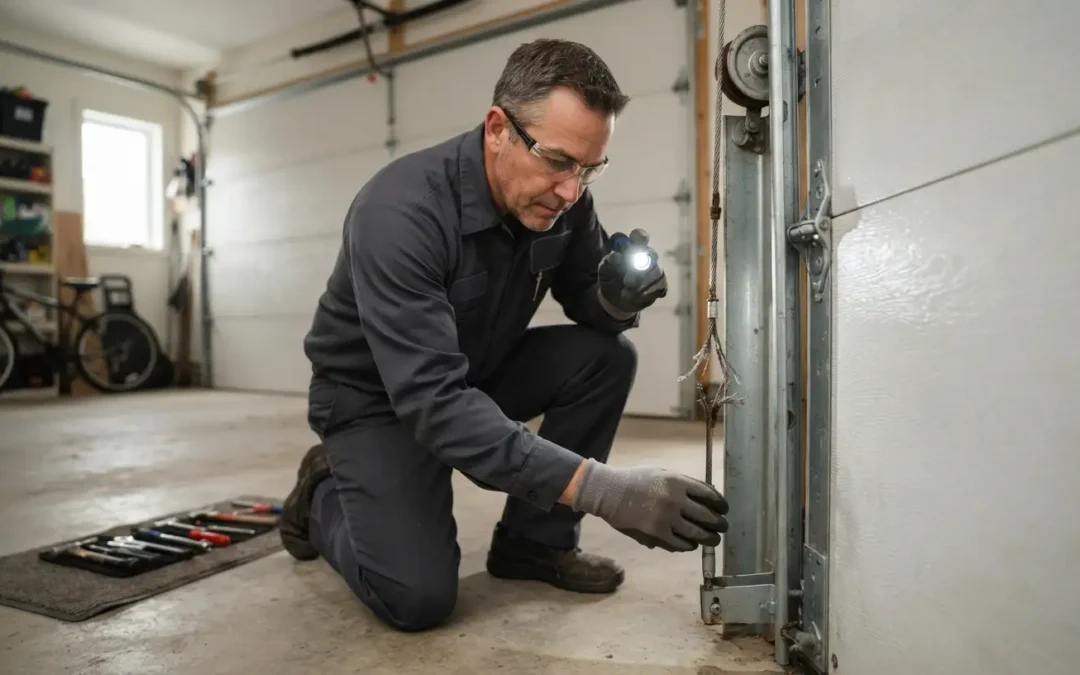
Garage door cables are easy to overlook because most of the time they simply do their job in the background. But when a cable starts to fray, slip, or break, the change can be dramatic. One side of the door may hang lower than the other, the door may jam halfway, or a loose cable may suddenly appear beside the track.
Cables work directly with the spring system to control a heavy moving door, so damage should never be treated like a loose wire that can simply be pushed back into place. This guide explains what garage door cables do, how to recognize trouble, what causes them to fail, and when professional repair is needed. Amigo Door is a garage door company Ottawa homeowners can turn to for repair throughout the region.
What Garage Door Cables Do
Garage door lift cables connect the counterbalance system to the lower part of the door. As the springs help offset the door’s weight, the cables transfer that lifting force so both sides rise and lower together.
When the system is properly adjusted, you barely notice the cables. When one begins to fail, the door can quickly become uneven because one side is no longer being supported the same way as the other. That makes cable condition an important part of any garage door repair inspection.
Warning Signs of Garage Door Cable Trouble
Cable problems often give you visual clues before complete failure.
Watch for:
- Frayed strands along the cable
- Rust or corrosion
- A cable hanging loose beside the door
- One side of the door sitting lower than the other
- A door that jerks or twists while moving
- Scraping or unusual rubbing sounds near the track
- A cable that appears to have slipped out of position
- A door that stops partway through travel
If a cable has already snapped or the door is hanging crooked, stop using the opener. Continuing to move the door can damage panels, rollers, tracks, and the remaining cable. A badly uneven or unsecured door may require emergency garage door repair.
What Causes Garage Door Cables to Fail
Cables are strong, but they are still wear components.
Common causes include:
- Repeated lifting cycles over many years
- Corrosion from moisture and road salt
- Friction against damaged hardware
- A cable drum or pulley problem
- A door that is out of balance
- Bent tracks or worn rollers that make movement harder
- A spring failure that suddenly changes the load on the system
Cable wear often develops gradually. A few damaged strands can turn into a larger fray, and eventually the cable may no longer be able to carry the load safely.
Routine garage door maintenance is useful because cable damage can often be spotted during an inspection before it becomes a complete break.
Cable Problem or Spring Problem?
The symptoms can overlap. Both cable and spring failures may leave a garage door heavy, uneven, or unable to open normally. A spring problem can also cause the cables to lose tension, making the cable appear to be the original fault when it is really a symptom.
Likewise, one damaged cable can pull the door out of level and place extra strain on the spring system.
That is why visual symptoms alone do not always identify the failed component. A technician checks the cables together with the springs, drums, rollers, tracks, and garage door balance before deciding what needs repair.
Why a Loose Cable Should Not Be Put Back by Hand
A cable hanging beside the track can look simple enough to reposition, but it is connected to a system designed to manage the weight of the garage door.
If the cable came loose because of a spring, drum, track, or balance problem, putting it back without correcting the underlying cause does not solve anything. More importantly, the cable and related hardware may still be under load. Do not remove bottom brackets, adjust cable drums, or attempt to tension garage door cables yourself.
Experienced garage door technicians can secure the door, identify why the cable moved, and repair the system without turning a visible cable problem into a safety problem.
What Professional Cable Repair Involves
Cable repair begins with finding the cause.
A technician checks:
- The condition of both lift cables
- Springs and overall door balance
- Cable drums and attachment points
- Rollers and track alignment
- Bottom brackets and related hardware
If replacement is needed, the correct cable must match the door and its lifting system. The system is then adjusted and tested so the door rises evenly rather than pulling harder on one side. If you are budgeting for repairs, our garage door repair cost guide explains how cable replacement fits among other common service calls.
Should Garage Door Cables Be Replaced in Pairs?
On many doors, both lift cables were installed together and have experienced the same environment and roughly the same number of cycles.
If one is badly worn or broken, the other should at minimum be inspected closely. Depending on its condition and the system involved, replacing both may make sense so the door is not relying on another cable that is already near the end of its service life.
The right decision depends on the individual door rather than a one-size-fits-all rule.
Ottawa Weather and Cable Corrosion
Ottawa garages see plenty of moisture. Snow melts off vehicles, road salt gets tracked inside, and repeated freeze-thaw conditions create an environment where exposed metal components can corrode. Rust can weaken cable strands over time, particularly near the lower portion of the door where moisture and salt are most likely to collect.
Keeping the garage reasonably clean and having hardware inspected periodically can slow that deterioration.
If corrosion is showing up on several parts of an older door, it may also be worth reviewing the broader signs of when to replace a garage door rather than repairing one deteriorating component at a time.
When Cable Damage Starts Affecting the Rest of the Door
A damaged cable rarely stays an isolated problem if the door keeps moving.
Uneven lifting can:
- Pull rollers harder against one track
- Twist or bind door sections
- Add strain to hinges and panels
- Change the load on the spring system
- Make the opener work against mechanical resistance
Catching cable wear early helps protect the rest of the hardware and can keep the repair relatively contained.
Commercial Garage Door Cables
Cable systems on commercial garage doors may operate heavier doors and handle much higher daily cycle counts. A frayed or broken cable can interrupt access to a loading area or service bay and should be addressed before continued operation damages the door.
Amigo Door also works with commercial door systems and operators as part of our full range of garage door services.
Local Cable Repair Across Ottawa
We provide garage door repair throughout the Ottawa region. Check our areas of service to confirm coverage in your community.
The Bottom Line
Garage door cables should stay straight, tight, and free of visible fraying or corrosion. A loose cable, crooked door, or broken strand is a warning that the lifting system needs attention. Stop operating a badly uneven door and have the complete counterbalance system checked before the problem spreads.
Seeing a loose, frayed, or broken cable? Contact Amigo Door at 1-613-821-2898 or visit our contact page to arrange a repair.
Recent Comments