
Your garage door is one of the hardest-working components of your home. Opening and closing thousands of times each year, it protects your vehicles, secures your belongings, and contributes significantly to your home’s curb appeal. Yet most homeowners rarely think about their garage door until something goes wrong.
Knowing when to replace your garage door versus when to repair it can save you money, prevent safety hazards, and avoid the frustration of a door that fails at the worst possible moment. Here are ten warning signs that Ottawa homeowners should never ignore.
Excessive or Unusual Noise
A well-functioning garage door operates relatively quietly. If you’ve started hearing grinding, grating, squeaking, or banging sounds during operation, something is wrong.
Different noises indicate different problems. A grinding sound often means the door is dragging against the track. Rumbling or grating suggests malfunctioning torsion springs. Popping noises can indicate sections aren’t connecting properly.
While some noise issues can be resolved with lubrication or minor adjustments, persistent or worsening sounds—especially after maintenance—often signal that components are wearing out and replacement may be the better long-term solution.
Slow or Inconsistent Operation
Your garage door should respond promptly when you press the button and move smoothly throughout its cycle. If you notice hesitation, jerky movements, or the door moving slower than usual, pay attention.
These symptoms can indicate worn springs that no longer provide adequate tension, an overworked opener motor, or track alignment issues. When operation becomes unpredictable—sometimes working fine, other times struggling—the system is telling you it’s nearing the end of its reliable service life.
If your door frequently stops mid-cycle or reverses unexpectedly, don’t ignore it. This inconsistency isn’t just inconvenient; it’s a safety concern that warrants professional assessment. Our garage door repair team can diagnose whether repair or replacement makes more sense for your situation.
Visible Damage and Deterioration
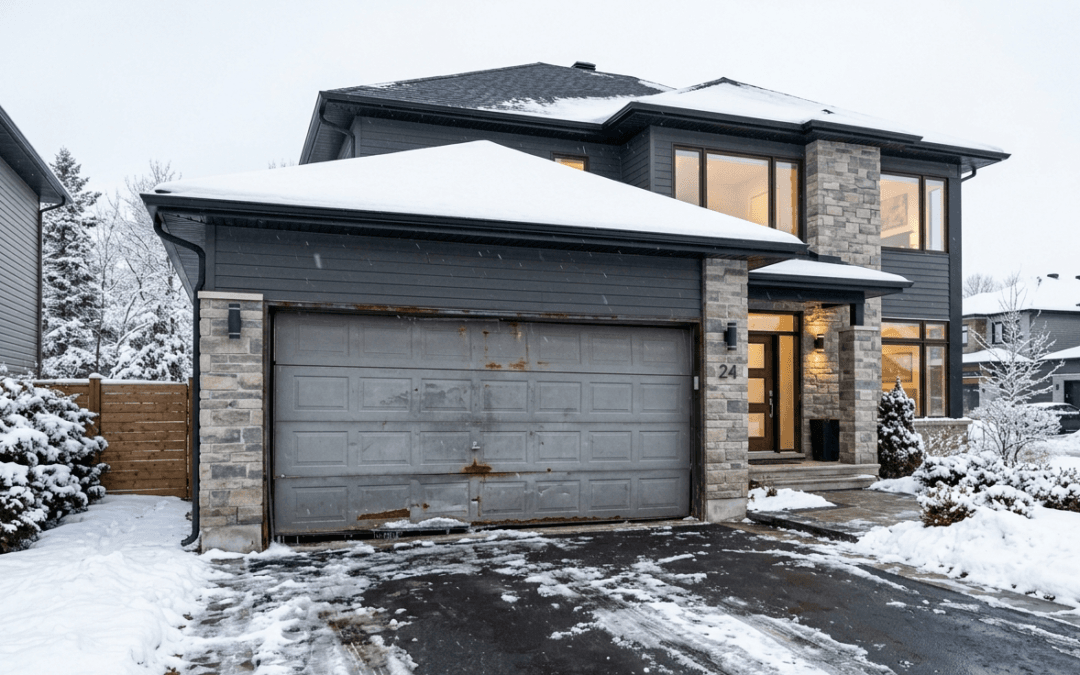
Take a close look at your garage door panels. Cracks, dents, rust, warping, and peeling paint are more than cosmetic issues—they can compromise structural integrity and insulation performance.
Signs of serious deterioration include:
- Cracks that allow light or air through
- Rust spreading across metal panels
- Wood rot on wooden doors
- Warped or bent sections that no longer align properly
- Faded, peeling, or chalky paint that exposes underlying material
Minor dents affecting one or two panels can often be repaired. However, if damage affects three or more panels, or if warping has progressed to the point where the door no longer seals properly, replacement is typically more cost-effective than extensive repairs.
The Door Won't Stay Open or Closed
A garage door that drifts down when you try to leave it open, or one that won’t close completely, has a balance problem. This usually indicates worn or broken springs—and it’s a serious safety concern.
Garage door springs are under tremendous tension. When they fail, the door can drop suddenly, potentially causing injury or property damage. If your door feels unusually heavy when lifting manually or won’t stay in position, stop using the automatic opener and contact a professional immediately.
Springs typically last 10,000 to 20,000 cycles. For a household that opens and closes the garage three to four times daily, that’s roughly 10 to 15 years of service life.
Sagging When Closed
When your garage door is closed, it should form a straight, uniform seal against the floor. If you notice sagging in certain sections—particularly in the middle—the door’s structural integrity may be compromised.
Sagging occurs when the internal structure weakens, often due to age, weather exposure, or accumulated stress. This problem typically worsens over time and can lead to complete failure if not addressed.
Test your door by disconnecting the opener and manually lifting it halfway. A properly balanced door should stay in place. If it drops or rises on its own, the springs need adjustment or replacement, and if the door itself is sagging, a full garage door replacement may be your best option.
Increased Energy Bills
If your heating costs have risen without explanation, your garage door could be the culprit. Older doors—or those with damaged weatherstripping and seals—allow cold air to infiltrate your garage and, by extension, your home.
This is particularly important in Ottawa, where winter temperatures regularly drop below -20°C. A poorly insulated garage door forces your heating system to work harder, driving up energy costs throughout the season.
Modern insulated garage doors with R-values of R-16 to R-18 provide dramatically better thermal performance than older, non-insulated models. The energy savings alone can help offset the cost of replacement over time.
Frequent Breakdowns and Repairs
How many times have you called for repairs in the past year or two? If you’re scheduling service calls multiple times annually, those costs add up quickly.
A good rule of thumb: if repair costs exceed 50% of replacement cost, or if you’re facing another significant repair on a door that’s already required multiple fixes, it’s time to consider replacement. You’ll gain reliability, modern safety features, and likely better energy efficiency.
Rather than continuing to patch an aging system, investing in a new garage door provides peace of mind and eliminates the uncertainty of wondering what will fail next. Our professional garage door services team can help you choose the right replacement.
Outdated Safety Features
Safety standards for garage doors have evolved significantly. If your door was installed before 1993, it likely lacks modern safety features that are now standard—and required by code.
Essential safety features include:
- Photo-eye sensors that detect obstructions and prevent the door from closing
- Auto-reverse mechanisms that stop and reverse the door if it contacts something
- Manual release handles for emergency operation during power outages
- Rolling code technology that prevents remote signal theft.
A modern LiftMaster opener includes all of these features as standard. Older doors without these features pose genuine risks to your family, pets, and property. If your door closes even when something is in its path, or if it doesn’t reverse when meeting resistance, upgrading is essential for safety.
The Door Is More Than 15-20 Years Old
The average garage door lasts 15 to 30 years, depending on quality, maintenance, and environmental conditions. However, even a well-maintained door approaching the 15 to 20-year mark should be evaluated for replacement.
Older doors may still function, but they typically lack the insulation, safety features, and aesthetic appeal of modern options. They’re also more likely to fail suddenly and may have discontinued garage door parts that make repairs difficult or impossible.
If your door is approaching or past this age range and showing any other warning signs, replacement is likely the smarter investment than continued repairs.
You Want to Improve Curb Appeal or Home Value
Your garage door accounts for up to 40% of your home’s front façade. An outdated, damaged, or simply unattractive door can significantly detract from your home’s appearance and value.
The good news? Garage door replacement consistently ranks among the highest-ROI home improvement projects, often recouping 90% or more of costs at resale. A new door can transform your home’s exterior while providing all the functional benefits of modern technology.
Whether you prefer the timeless elegance of carriage house garage doors or the clean lines of contemporary garage doors, upgrading your door is one of the most impactful improvements you can make. You can even explore options through our build your door tool to visualize the perfect fit for your home.
When Repair Makes Sense
Not every problem requires full replacement. Repair is often the right choice when:
- The door is less than 10 years old and otherwise in good condition
- Damage is limited to one or two panels
- Only specific components need replacement (springs, cables, rollers)
- The issue is a minor adjustment or weatherstripping replacement
- Your budget doesn’t allow for replacement right now
A trusted garage door service company will give you an honest assessment rather than pushing unnecessary work. At Amigo Door, our garage door technicians serving Ottawa and surrounding areas will always recommend the most practical and cost-effective solution, whether that’s a targeted repair or a complete upgrade.
Making the Right Decision
If you’re experiencing any of these warning signs, the best approach is a professional assessment. An experienced technician can evaluate your door’s condition, identify all issues, and provide honest recommendations about whether repair or replacement makes more financial sense.
At Amigo Door, we’ve served Ottawa homeowners for over 40 years. We’ll never recommend replacement when repair will solve the problem—but we’ll also be honest when continued repairs are throwing good money after bad.
Contact us today at 1-613-821-2898 or visit our contact page to schedule an inspection. We’ll help you make the decision that’s right for your home, your safety, and your budget.
Recent Comments